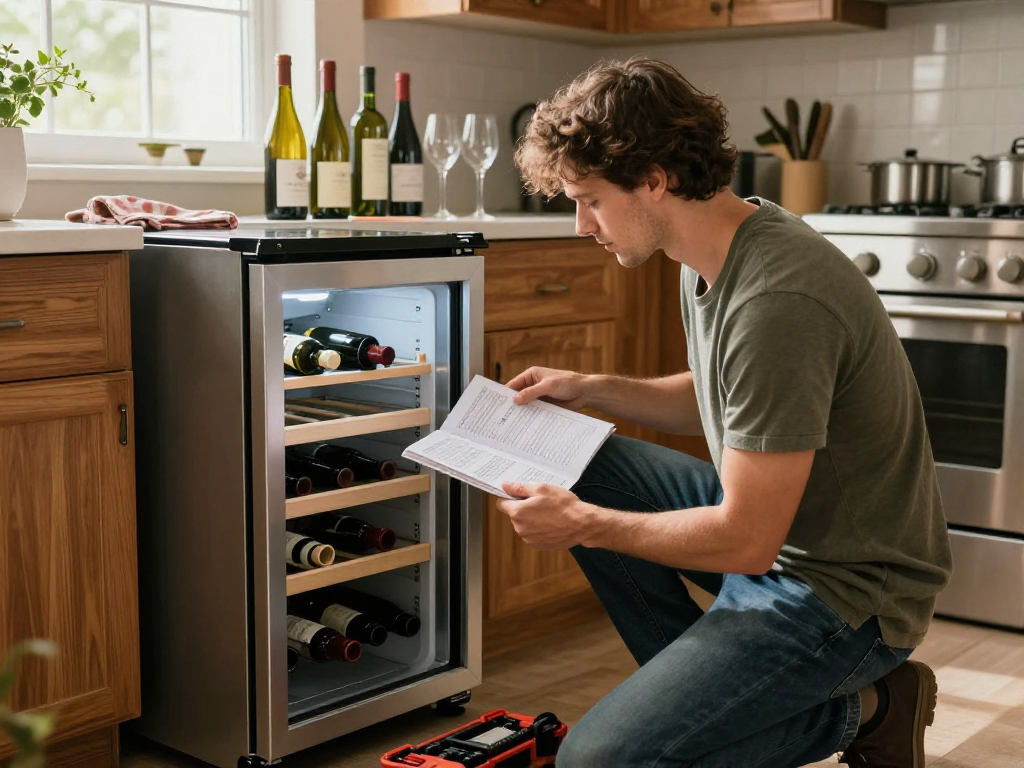
Understanding Wine Cooler Functionality
Wine coolers have become an essential appliance for enthusiasts who wish to preserve their collections at optimal temperatures. Understanding how these devices work can significantly enhance your wine storage experience. A thorough grasp of their components and maintenance needs will not only maximize the lifespan of your cooler but also protect your wine from deteriorating.
What is a Wine Cooler and How Does It Work?
A wine cooler, often referred to as a wine refrigerator or wine chiller, is designed specifically to store wine bottles at the ideal temperature and humidity levels. Unlike traditional refrigerators that can freeze or spoil wine, wine coolers maintain a temperature range typically between 45°F and 65°F (7°C to 18°C), with lower temperatures for white wines and higher for reds. They utilize a series of components, including compressors, thermoelectric units, or absorption systems, to regulate temperature.
Common Components and Their Roles
The essential components of a wine cooler include:
- Compressor: Similar to regular refrigerators, compressors circulate refrigerant through coils to cool the interior.
- Thermostat: This device monitors the internal temperature and allows for adjustments to maintain the desired level.
- Cooling Coils: These are responsible for controlling the temperature by absorbing heat from inside the cooler.
- Fan: Used to circulate air evenly, preventing temperature hotspots.
Why Proper Maintenance is Crucial
Regular maintenance of your wine cooler is vital to its longevity and performance. Neglect can lead to issues such as fluctuating temperatures, noise problems, and even total failure of the unit. By performing routine checks and cleaning, you help avoid these problems and ensure your wine is stored in the best possible conditions. Resources like wine cooler repair can guide you in proper maintenance techniques.
Recognizing Signs of Malfunction
Identifying issues early can save you time and money in repairs. It is essential to be vigilant about your wine cooler's performance and recognize the signs that indicate a malfunction.
Identifying Temperature Fluctuations
Temperature inconsistencies can spoil your wine. If you notice that your wine cooler's temperature is either too high or too low, it could be a sign of malfunctioning components such as the thermostat or cooling coils.
Unusual Noise and Vibration Issues
Wine coolers are designed to operate quietly. If you hear strange noises, such as grinding or rattling, this may indicate a problem with the compressor or fan. Additionally, excessive vibrations can disturb sediment in the wine, potentially affecting its taste.
Common Odors and What They Mean
Any unusual odors coming from your wine cooler could signify a buildup of mold or mildew, particularly in areas of high humidity. Furthermore, a failing cooling unit might emit a burning smell, which requires immediate attention.
Basic Troubleshooting Steps
When faced with issues, it’s advisable to conduct some basic troubleshooting before seeking professional help. These steps can often resolve minor problems and save you from unnecessary repair costs.
Checking Power Supply and Connections
First, ensure that your wine cooler is plugged in correctly and that the outlet is functioning. You may want to try plugging another device into the same outlet to verify its operability.
Inspecting the Cooling Mechanism
Take time to inspect the cooling mechanism for dust and debris that may hinder performance. Ensure that the coils are clean and not obstructed, as this can severely impact temperature regulation.
Evaluating Door Seals and Insulation
Check the rubber seals around the door. If they are damaged or dirty, they may not create a proper seal, allowing cold air to escape and causing temperature issues.
When to Seek Professional Help
While DIY maintenance is commendable, there are times when professional intervention is necessary. Knowing when to call a technician is crucial for preventing further damage.
Assessing the Severity of the Problem
If basic troubleshooting fails to resolve the issue, it’s best to assess the problem's severity. Issues with the compressor, for example, can be complicated and warrant professional expertise.
Understanding Repair vs. Replacement Dilemmas
When considering whether to repair or replace your wine cooler, evaluate the age and condition of the unit. A refrigerator over ten years old may be more cost-effective to replace than to repair, especially if recurring issues arise.
Finding a Reliable Technician for Repairs
When looking for a technician, seek reviews and recommendations to ensure you find someone knowledgeable about wine cooler repairs. A trusted professional can save you from poor repairs that may lead to further complications.
Future Trends in Wine Cooler Technology
The world of wine coolers is evolving with advancements in technology, leading to better performance and greater user convenience. Being aware of these trends can help you make informed choices in upgrading or purchasing a new wine cooler.
Smart Wine Cooler Features
The integration of smart technology allows for remote monitoring and control of wine coolers through smartphone applications. Features may include temperature alerts and humidity control, ensuring optimal storage conditions at all times.
Sustainability and Energy Efficiency Improvements
As consumers become more environmentally conscious, manufacturers are focusing on energy-efficient models. These units consume less power and often employ eco-friendly refrigerants, appealing to the sustainability-minded consumer.
Predictions for Consumer Preferences in 2026
Looking towards 2026, consumer preferences are expected to shift towards compact, multifunctional units that can not only store wine but also serve other chilling purposes. Enhanced aesthetic designs will also play a critical role in consumer decisions.
What are the Best Practices for DIY Wine Cooler Repair?
For those inclined to attempt DIY repairs, following best practices will ensure safety and effectiveness. Always consult your user manual and consider documenting any disassembly to facilitate reassembly.
How to Maintain Optimal Wine Cooler Conditions?
Regularly monitor temperature settings and humidity levels, and keep the unit clean to prevent dust buildup. Additionally, maintaining a stable environment around the cooler (away from heat sources) can enhance its efficiency.
What Common Mistakes Should be Avoided?
Avoid overloading your wine cooler, as this can impede air circulation. Additionally, ensure that you don’t leave the door open for extended periods, as this can dramatically alter the internal conditions.
How to Choose the Right Wine Cooler for Your Needs?
When selecting a wine cooler, consider factors such as capacity, dimensions, energy efficiency, and temperature zones. For more information, appliance service offers valuable insights. Make sure to align your choice with your collection size and storage requirements.