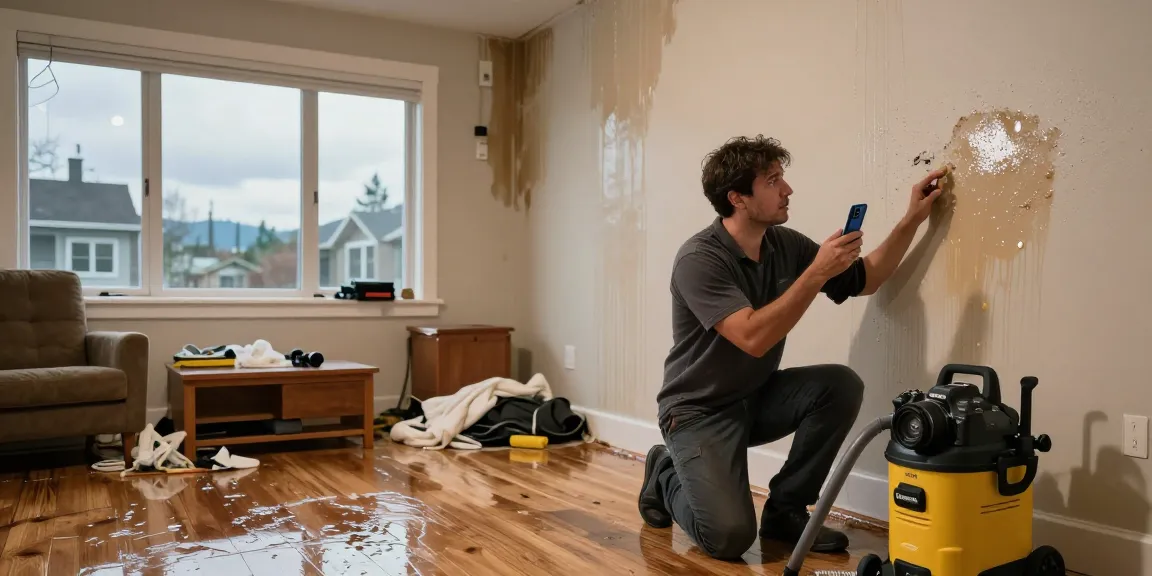
Understanding Water Damage Restoration North Vancouver
In a region like North Vancouver, where heavy rainfall and aging infrastructure can frequently lead to water damage, understanding the intricacies of water damage restoration is critical for homeowners and property managers alike. Effective restoration not only saves money but also preserves the integrity of your property and the safety of its occupants. Engaging a professional service, like Water Damage Restoration North Vancouver, ensures that the restoration process adheres to industry standards and employs state-of-the-art techniques and equipment to address the diverse challenges posed by water damage.
What is Water Damage Restoration?
Water damage restoration is a systematic process aimed at recovering a property after it has incurred damage due to water intrusion. This can occur from various sources, including flooding, sewage backups, burst pipes, or appliance malfunctions. The restoration process typically involves several steps: water extraction, drying, cleaning, and repairing damaged materials. The ultimate goal is to return the property to its pre-damage state while ensuring the space is safe and hygienic for its occupants.
Importance of Immediate Action
When faced with water damage, time is of the essence. Delayed action can lead to extensive damage, including structural weakening and mold growth. Mold can begin to develop within 24 to 48 hours, especially in damp environments, leading to health risks and costly repairs. Quick response from certified professionals ensures that the situation is assessed and mitigated promptly, minimizing damage and safeguarding your investment.
Common Causes of Water Damage in North Vancouver
North Vancouver is prone to specific water damage triggers, including:
- Heavy Rainfall: Prolonged downpours can overwhelm drainage systems, leading to flooding.
- Failures in Plumbing Systems: Aging or deteriorating pipes can burst or leak, resulting in water pooling within walls or basements.
- Sewage Backups: Blockages in sewer lines can lead to raw sewage flooding, posing serious health hazards.
- Roof Leaks: Damaged or aging roofs can allow water to seep into attics or ceilings during storms.
- Appliance Malfunctions: Dishwashers, washing machines, and water heaters can fail unexpectedly, causing significant water loss.
Identifying Early Signs of Water Damage
Being proactive in identifying water damage can save homeowners from costly restoration efforts later on. Knowing the indicators allows for quicker intervention and mitigates the risk of extensive damage.
Visual Indicators of Water Damage
Homeowners should watch for visible signs such as:
- Water Stains: Discoloration on walls or ceilings indicates leakage.
- Peeling Paint or Wallpaper: This often results from moisture trapped beneath the surface.
- Warped Wood: Floors or furniture may show signs of distress due to prolonged exposure to water.
- Mold Growth: Any visible mold is a red flag that water is present.
Sound and Smell Indicators
In addition to visual signs, homeowners should also pay attention to auditory and olfactory cues:
- Musty Odors: This smell indicates mold or mildew presence, often a result of water damage.
- Sound of Running Water: If you hear water running when no appliances are in use, it may indicate a leak.
Preventative Measures for Homeowners
Preventing water damage starts with regular maintenance and vigilance:
- Inspect roofs and gutters regularly to ensure proper drainage.
- Check plumbing fixtures for wear and tear.
- Ensure that appliances are installed correctly and maintained appropriately.
- Consider investing in water alarms or sensors that alert you to leaks.
The Water Damage Restoration Process
Understanding the restoration process can help homeowners feel informed and empowered when dealing with water damage.
Step-by-Step Restoration Guide
- Initial Assessment: Professionals evaluate the extent of the damage and create a restoration plan.
- Water Extraction: Using high-capacity pumps and vacuums, the bulk of the water is removed.
- Drying and Dehumidification: Advanced equipment is deployed to ensure that hidden moisture is eliminated.
- Cleaning and Sanitization: Affected areas are cleaned and disinfected to prevent mold growth.
- Repair and Restoration: Damaged materials are repaired or replaced, bringing the property back to its original condition.
Types of Equipment Used in Restoration
Professional restoration services utilize a range of specialized equipment:
- Industrial Dehumidifiers: These remove excess moisture from the air, helping speed up the drying process.
- Air Movers: High-velocity fans are employed to enhance air circulation and facilitate drying.
- Moisture Meters: These tools measure the moisture levels in materials to ensure thorough drying.
- Thermal Imaging Cameras: Used to identify hidden water pockets behind walls and in ceilings.
Professional vs. DIY Restoration
While DIY restoration may seem like a cost-effective solution, it often lacks the thoroughness and expertise that professionals bring. Certified technicians have training in proper moisture assessment, safety protocols for hazardous materials, and effective response techniques to prevent further damage. Attempting DIY restoration can lead to overlooked issues, prolonged damage, or health risks, especially in cases involving contaminated water.
Managing Insurance Claims for Water Damage
Navigating insurance claims can be daunting, but understanding the process is crucial for homeowners facing water damage. A clear strategy can significantly ease the burden.
Navigating Insurance Coverage
Every insurance policy is different, so it's important to review your coverage regarding water damage. Typically, standard homeowner's insurance policies will cover sudden and accidental damage but may not cover flooding from natural disasters unless additional flood insurance has been purchased.
Documenting Water Damage
Thorough documentation is essential when filing a claim:
- Take photographs of all affected areas and damaged items.
- Make a detailed list of damaged possessions, including purchase dates and values.
- Keep records of any repairs or restoration efforts undertaken.
Common Challenges in Claim Approvals
Homeowners often face hurdles in the claims process, such as:
- Disputes over what constitutes 'sudden' damage.
- Delays in providing necessary documentation.
- Insufficient coverage for extensive damage or repairs.
Working with restoration professionals who understand insurance processes can facilitate smoother interactions with your insurance provider.
The Future of Water Damage Restoration in North Vancouver
As climate patterns shift and urban development continues, the need for effective water damage restoration methods will only grow. Understanding emerging trends and technologies can prepare homeowners for the future.
Emerging Technologies in Restoration
Innovations are consistently transforming the restoration landscape:
- Advanced Drying Techniques: New equipment is being developed for faster and more efficient drying processes.
- Moisture-Resilient Materials: Use of modern building materials that resist water damage proactively.
- Data Analytics: Technology that leverages data to predict and prepare for potential water damage risks.
Trends in Homeowner Awareness
Homeowners are becoming increasingly educated about water damage risks and restoration options. This heightened awareness leads to quicker reporting and response times, significantly enhancing restoration outcomes.
Environmental Considerations in Restoration Practices
As environmental concerns gain prominence, restoration companies are adopting eco-friendly practices. This includes using non-toxic cleaning supplies, minimizing waste during restorations, and focusing on sustainable restoration methods.
What is the average cost of water damage restoration?
The cost can vary significantly based on factors like the extent of the damage, the type of materials affected, and the restoration methods employed. On average, homeowners can expect to pay between $1,500 to $5,000 for water damage restoration.
How quickly can professionals respond to water damage?
Emergency restoration services typically guarantee a response within 30 minutes to 2 hours, depending on the location and time of day. Speed is essential to minimize damage and prevent mold growth.
Are there effective DIY methods for minor water damage?
For very minor incidents, homeowners may take simple actions such as mopping up standing water, using fans for drying, and ensuring proper ventilation. However, it's crucial to recognize when professional help is needed to avoid overlooking potential hidden issues.
What are the long-term effects of untreated water damage?
Ignoring water damage can lead to severe consequences, including ongoing structural damage, persistent mold problems, and significant decreases in property value. Addressing water issues quickly is essential for maintaining safety and preserving the property’s worth.
How can I prevent future water damage in my home?
Preventive measures include:
- Regularly inspecting and maintaining plumbing.
- Clearing gutters and downspouts to ensure proper drainage.
- Investing in sump pumps or water alarms in vulnerable areas.
- Using waterproofing solutions for basements and foundations.