Understanding Metal Roofing Services
When it comes to roofing options, Metal Roofing Services offer a comprehensive solution for homeowners and businesses looking for durability, aesthetics, and energy efficiency. Metal roofing involves several services, from initial consultation to installation and maintenance, which cater to various types of properties. As the demand for sustainable and long-lasting roofing solutions continues to grow, understanding the benefits and options available is crucial for making an informed decision.
What Are Metal Roofing Services?
Metal roofing services encompass a wide range of offerings including consultation, design, installation, and maintenance of metal roofs. These services focus on delivering high-quality roofing solutions that can endure the elements while enhancing the overall look of a property. Metal roofs can be crafted from various materials, including steel, aluminum, and copper, each providing unique benefits that cater to different aesthetic and functional requirements.
Benefits of Choosing Metal Roofing
- Longevity: Metal roofs are known for their impressive lifespan, often lasting 40 years or more with proper maintenance.
- Durability: Engineered to withstand extreme weather conditions, including high winds and heavy snowfall, metal roofs resist corrosion, cracking, and fading.
- Energy Efficiency: Their reflective properties help reduce cooling costs in the summer and maintain warmth during winter months.
- Low Maintenance: Metal roofs require minimal upkeep compared to traditional roofing materials, saving homeowners time and money.
- Fire Resistance: Many metal roofing materials are non-combustible, providing an added layer of safety to your home.
Common Misconceptions About Metal Roofs
Despite their growing popularity, several misconceptions about metal roofs persist. One common myth is that they are excessively noisy during rainstorms or hail. In reality, with proper insulation and underlayment, metal roofs can be just as quiet as asphalt shingles. Additionally, some people believe that metal roofs are prone to rust; however, modern coatings and finishes effectively prevent rusting, enhancing durability and aesthetics.
Types of Metal Roofing Available
Standing Seam Metal Roofing Explained
Standing seam metal roofing is a popular choice among homeowners and builders alike for its streamlined appearance and functional advantages. This type of roofing features vertical panels that interlock at the seams, allowing for expansion and contraction while providing excellent water drainage. The concealed fastening system enhances the roof's aesthetic appeal while minimizing the risk of leaks, making it ideal for both low-slope and modern architectural designs.
Metal Shingles Versus Standing Seam
While both standing seam and metal shingles offer unique benefits, they serve different purposes depending on the project requirements. Metal shingles mimic traditional roofing materials in design while providing the durability of metal. In contrast, standing seam offers a more modern look with fewer visible fasteners, making it a preferred option for contemporary homes. Choosing between the two often comes down to personal preference, budget, and desired aesthetics.
Customization Options for Metal Roofing
One of the standout features of metal roofing is the wide variety of customization options available. Homeowners can select from an extensive palette of colors and finishes to match their home’s architectural style. Additionally, metal roofing can be engineered to accommodate various designs and features, such as integrated solar panels or snow retention systems, allowing for a blend of functionality and aesthetics.
Installation Process of Metal Roofing
Preparation for Metal Roofing Installation
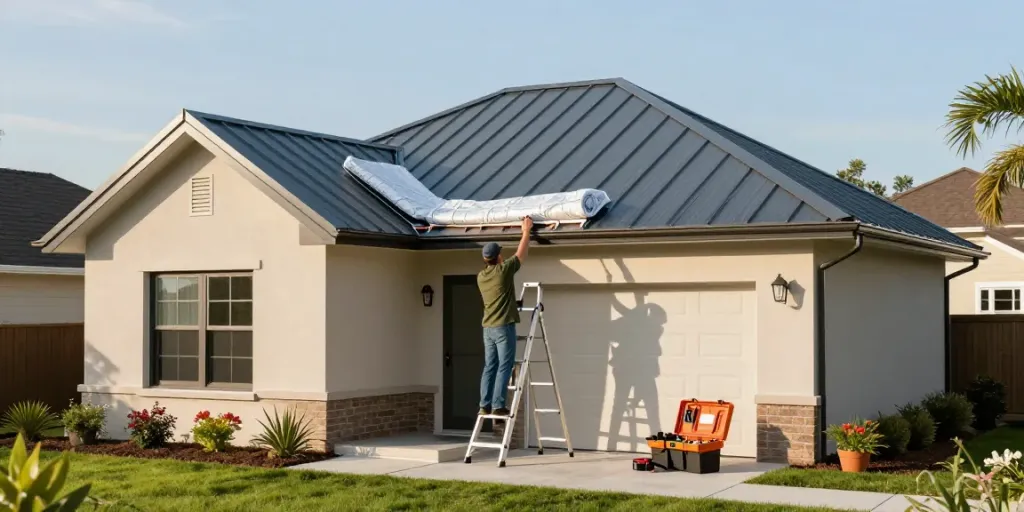
Before the installation of a metal roof begins, a thorough assessment of the existing roof structure is necessary. This evaluation helps identify any underlying issues that may need addressing, such as water damage or structural deficiencies. Homeowners should also consider the chosen metal type and design, which will influence the installation process and overall cost.
Step-by-Step Installation Guide
- Removal of Existing Roofing: If replacing an old roof, the first step is to remove the existing roofing materials. This ensures a clean surface for the new installation.
- Inspection: Once the old roofing is removed, inspect the underlying structure for any damage that needs repair.
- Underlayment Installation: A water and ice shield underlayment is often installed to provide an additional layer of protection against leaks.
- Metal Panel Installation: Starting at the eave, metal panels are installed, ensuring proper alignment and secure fastening at the seams.
- Flashing and Trim: Flashing and trim are applied to ensure a watertight seal and to enhance aesthetics.
- Final Inspection: A thorough inspection is conducted to ensure that all aspects of the installation meet quality standards.
Post-Installation Checks and Maintenance
After the installation of a metal roof, it’s crucial to perform regular maintenance checks to extend its lifespan. This includes inspecting for any loose panels, ensuring that gutters and downspouts are clear of debris, and checking for any signs of wear or damage. Regular maintenance not only keeps the roof in optimal condition but also protects the investment over time.
Performance and Longevity of Metal Roofing
Durability Against Extreme Weather Conditions
Metal roofing is engineered to perform exceptionally well under extreme weather conditions, making it a top choice in regions prone to harsh climates. With the ability to withstand heavy snowfall, high winds, and temperatures ranging from freezing to scorching, metal roofs remain intact, providing peace of mind to homeowners. The interlocking seams of standing seam roofing further enhance this durability, ensuring a watertight seal against rain and snow.
Energy Efficiency and Cost Savings
Metal roofs are not only durable but also energy-efficient, reflecting solar radiant heat and reducing cooling costs during hot months. When properly insulated, they can help retain heat in colder months, contributing to significant energy savings year-round. Homeowners often find that the initial investment in metal roofing pays off through lower utility bills and government incentives for energy-efficient home improvements.
Understanding Warranty Options
Most metal roofing systems come with extensive warranties, often ranging from 30 to 50 years, depending on the manufacturer and type of metal used. These warranties typically cover material defects and structural performance, providing homeowners with reassurance regarding the longevity of their roofing investment. It’s important to read and understand warranty terms before purchasing, as this can vary significantly among brands and products.
Future Trends in Metal Roofing
Innovative Materials and Technologies in 2026
The metal roofing industry is evolving rapidly, with innovations in materials and technologies that improve performance and aesthetics. In 2026, we can expect advancements in eco-friendly materials, such as recyclable metal options and cool roofing technologies that enhance energy efficiency. Developments in coating technology will likely improve durability against fading and wear, ensuring that metal roofs maintain their appearance over time.
Architectural Trends for Metal Roofs
As architectural styles continue to evolve, metal roofs are increasingly incorporated into modern designs. Trends indicate a rise in the use of bold colors, unique profiles, and mixed materials that blend metal with wood or composite materials. These design trends not only enhance curb appeal but also integrate seamlessly with contemporary styles, reflecting the homeowner's personality and preferences.
Predicting Industry Growth and Changes
As the demand for sustainable building materials rises, the metal roofing industry is poised for significant growth. Increased awareness of energy efficiency and environmental impact will likely drive innovation and investment in metal roofing solutions. Industry experts predict that more homeowners will opt for metal roofs due to their long-term cost savings and durability, further solidifying metal roofing as a leading choice in the roofing market.
What are the average costs for a metal roofing installation?
The average cost of metal roofing installation can vary widely based on factors such as location, material choice, and roof size and complexity. Generally, homeowners can expect to pay between $5.00 to $12.00 per square foot, including materials and labor. While metal roofs may have a higher upfront cost compared to asphalt shingles, their longevity and reduced maintenance typically offset these initial expenses over time.
How long does a metal roof typically last?
Metal roofs are renowned for their impressive lifespan, often exceeding 40 years with proper care and maintenance. Many homeowners find that investing in a metal roof is cost-effective due to this extended lifespan, as it reduces the need for frequent replacements associated with other roofing materials.
What are the benefits of energy-efficient roofing?
Energy-efficient roofing offers numerous benefits, including reduced energy bills, improved comfort in the home, and a smaller carbon footprint. Homeowners who choose energy-efficient options may also benefit from various incentives, such as tax credits or rebates, further enhancing the financial advantages of making sustainable roofing choices.
Are there financing options available for metal roofing projects?
Many roofing contractors offer financing options to help homeowners afford the upfront costs of metal roofing projects. These options might include low-interest loans, payment plans, or other financial solutions that allow you to spread the cost over time, making it more manageable to invest in durable roofing.
What should I consider when choosing a roofing contractor?
When selecting a roofing contractor, several factors should be considered to ensure a quality installation. Look for licensed and insured contractors with extensive experience in metal roofing, as well as positive customer reviews and a portfolio of completed projects. Additionally, discuss warranty options and ensure that the contractor provides a detailed estimate that covers all aspects of the project.